Caring for plants means a deeper engagement, observation and connection with the individual plants, their species and their community.
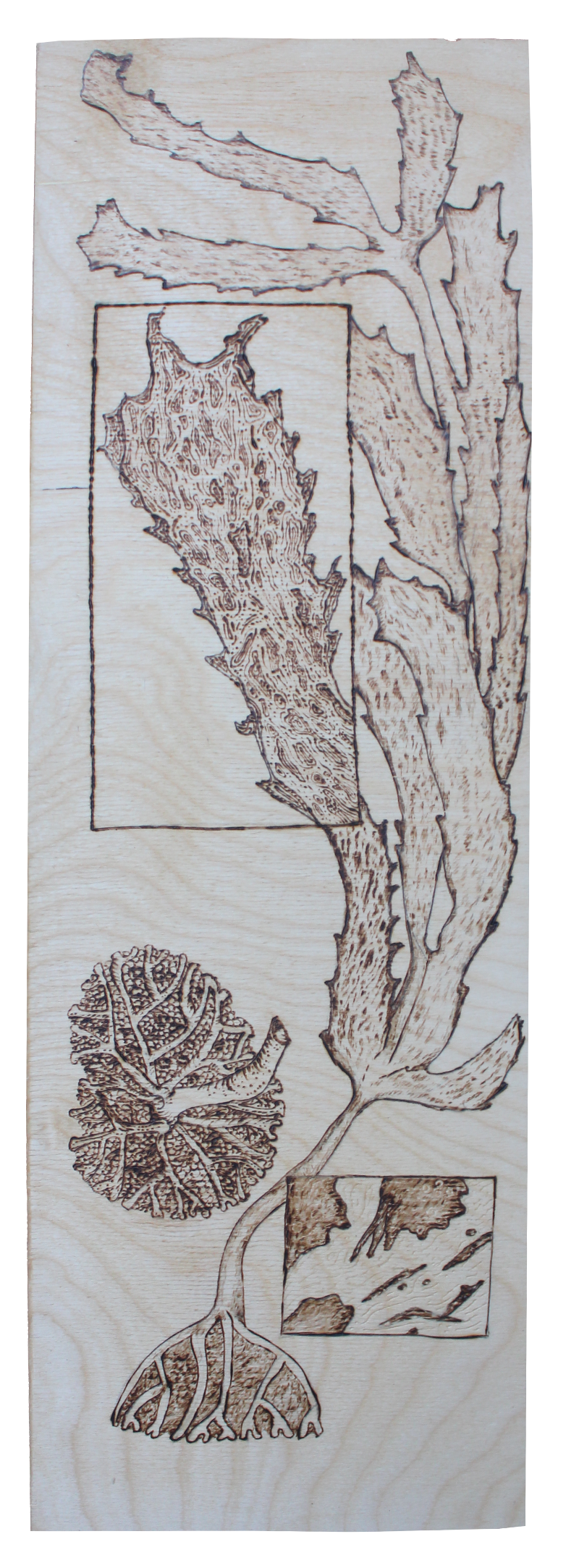
Over the past two months, I have tried to propagate golden kelp (Ecklonia radiata) at a guerrilla gardening site in the Eastern Suburbs. I harvested pieces of kelp that had drifted shorewards after they had been ripped off rocks with their holdfasts still attached. Drawing inspiration from Operation Crayweed (but not using crayweed), I would tie the holdfasts down to abandoned rocks and bricks using natural fibres. Then I would revisit the site to see what happened.
Underwater gardening has proven to be an unbelievably joyful and rewarding experience for me. The act of swimming for a purpose, of making a site that was desolated from runoff of a nearby golf course and making fish come up curiously to kelp was truly wonderful. So too was learning about the life cycle of golden kelp to see if the weeds were going to breed. Returning to a spot of decayed and desolate rocks who most just swim over looking for the more interesting snorkelling spots nearby,
For a while, the kelp was happy. The clear shallow waters full of light meant they grew quickly. Then some of them developed a fluorescent purple disease that I also found on some nearby rocks. I cut the diseased fronds like I would on land.
One day, I swam out to my patch to find all of the kelp gone. I am not sure if someone came and cut the twines, or if they were washed away by swell.
But I made a wood burning of a sporing golden kelp, with different scales of the spores. To spend time closely observing and caring for plants, especially in the sea, has been one of my favourite naturalist endeavours so far. I am definitely going look for different sites and see if there’s scope to try again.

