Casuarinas’ sneaky, pine-like adaptations to salty, highly variable landscapes.
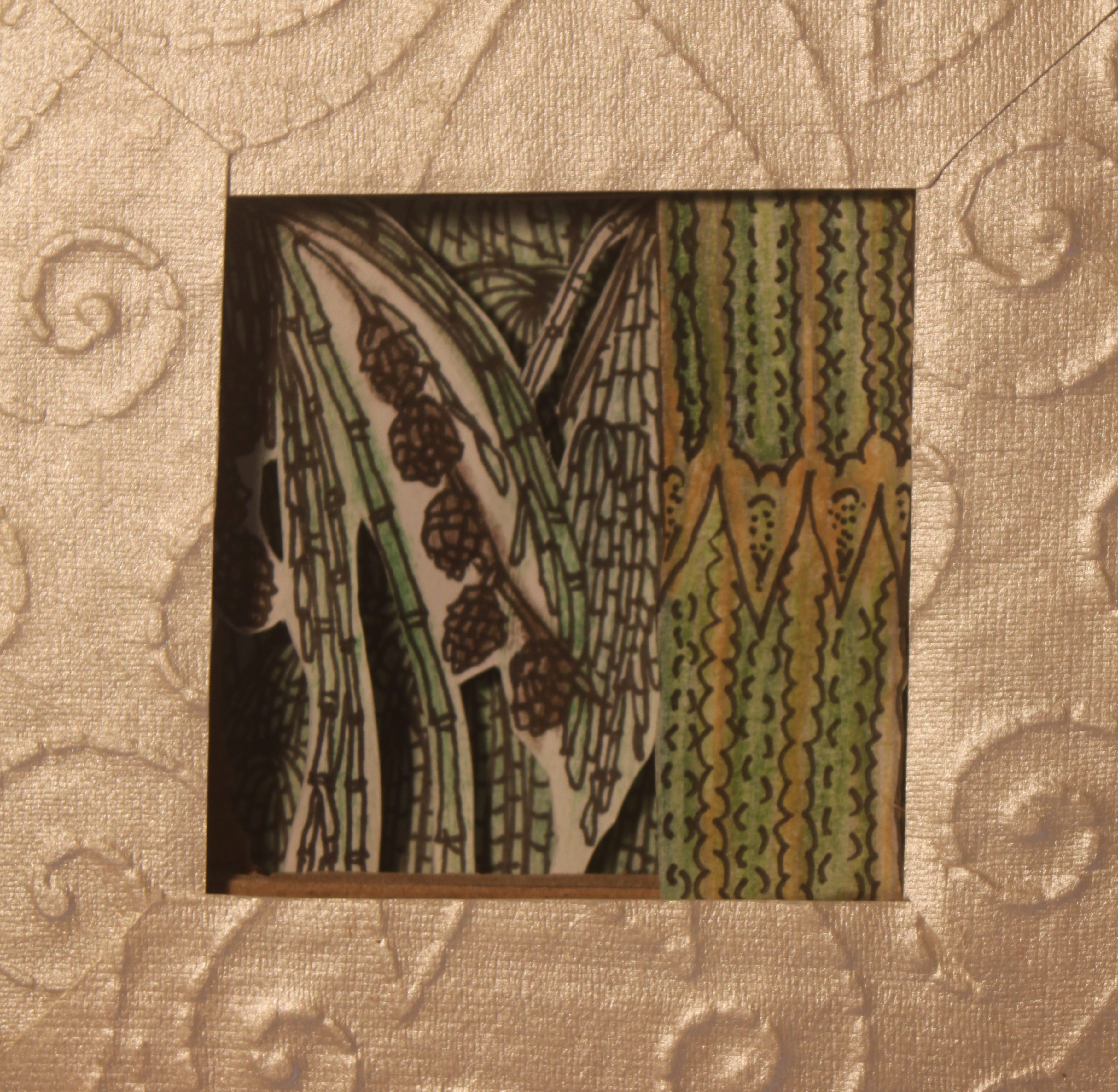
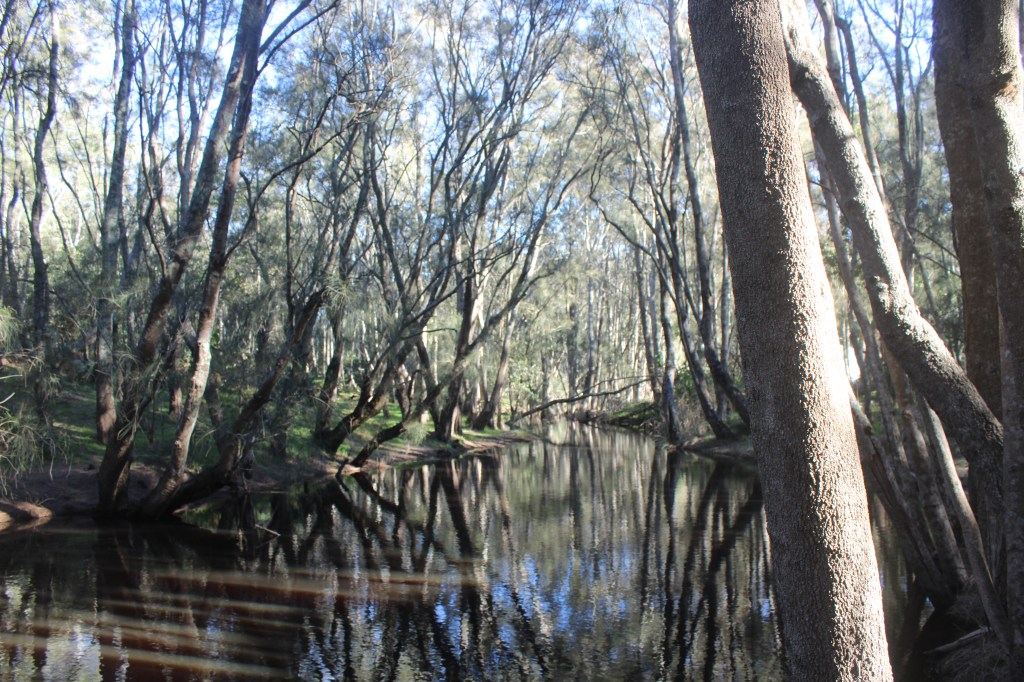
Casuarinas line waterways across the Nations of (at least) the Southeastern edge of the continent. From what I know for sure, they stretch from Awabakal to Yuin Country, along rivers and up the backs of sand dunes. They form forests of soft needles and spiky cones, and you would be forgiven in thinking they are conifers (pines and firs).
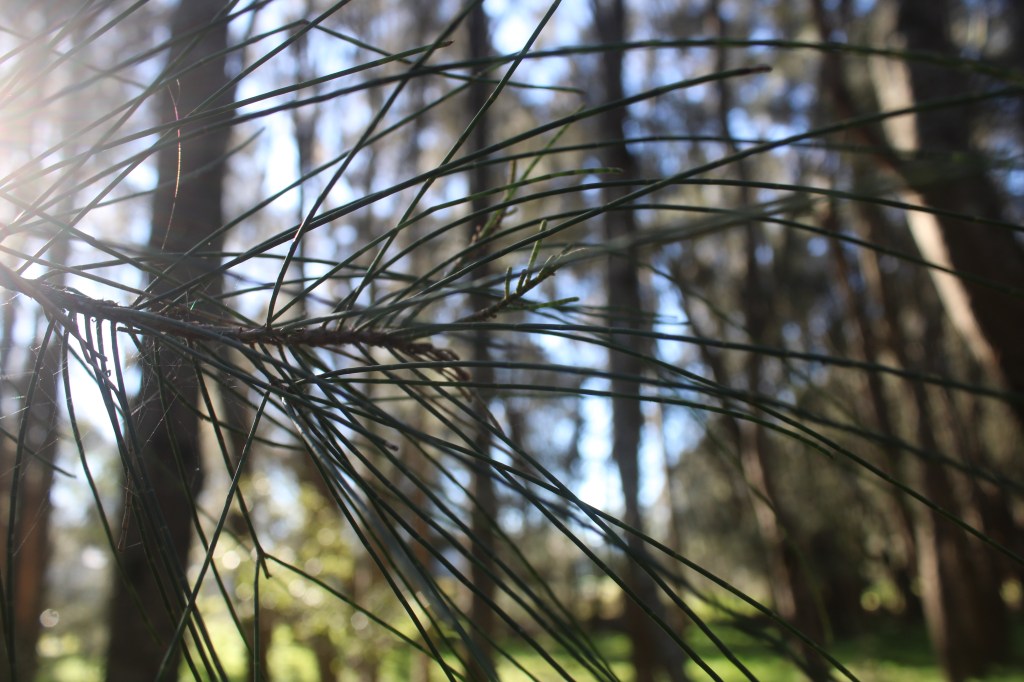
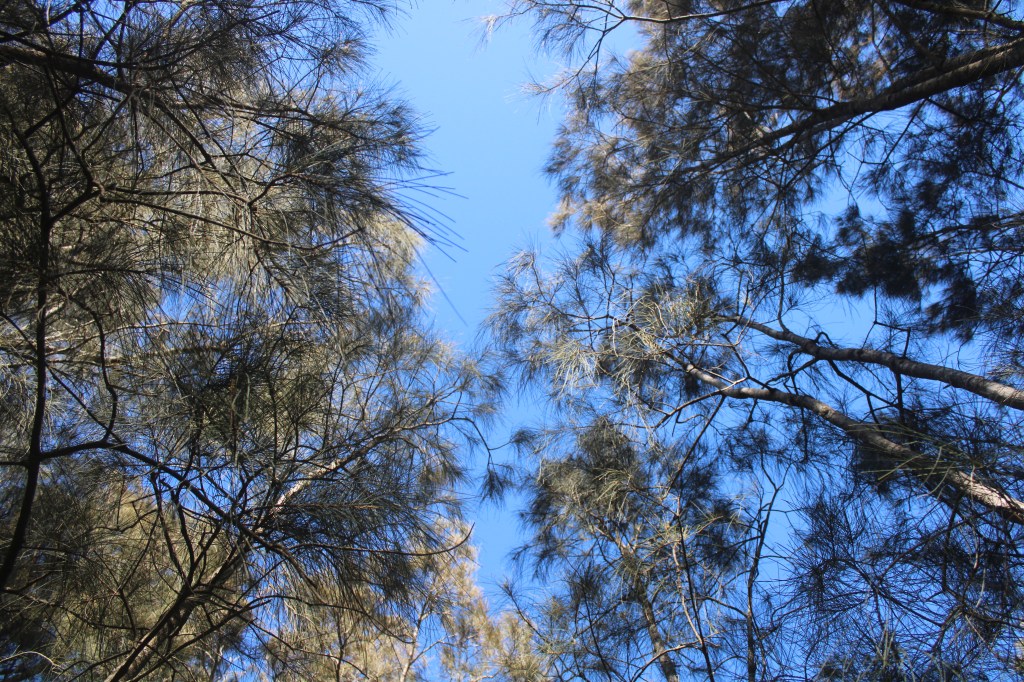
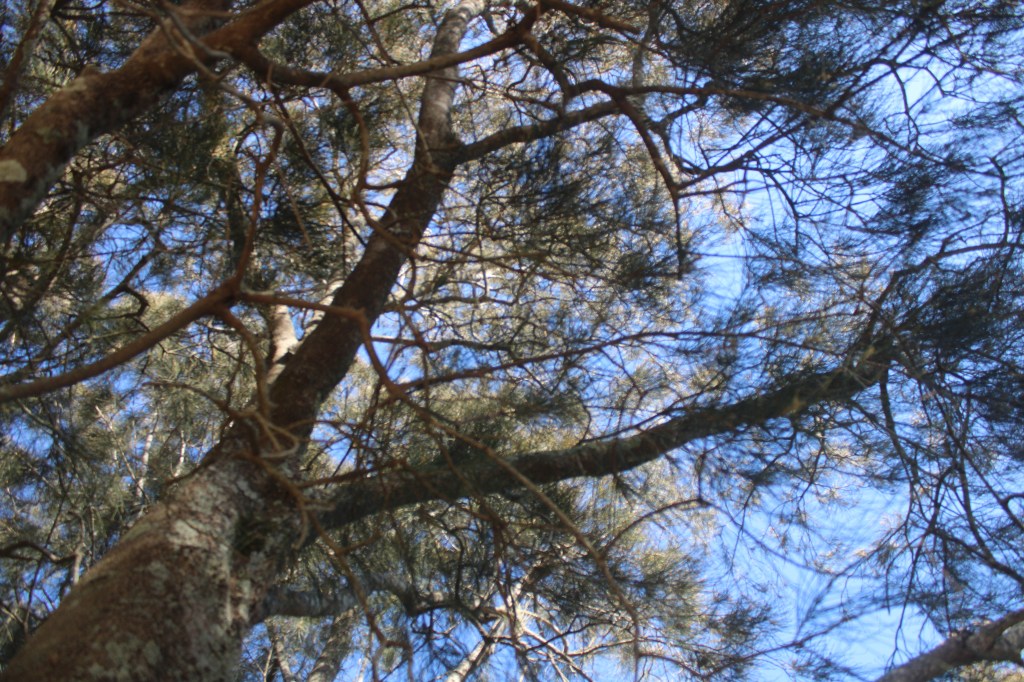
But these trees are not conifers. They are flowering plants (Angiosperms), who are highly adapted to their salty, sometimes wet, sometimes very dry environs. These adaptations have resulted in what’s known as convergent evolution, when two lineages independently evolve to look and behave very similarly.
That’s not a needle, and that’s not a cone
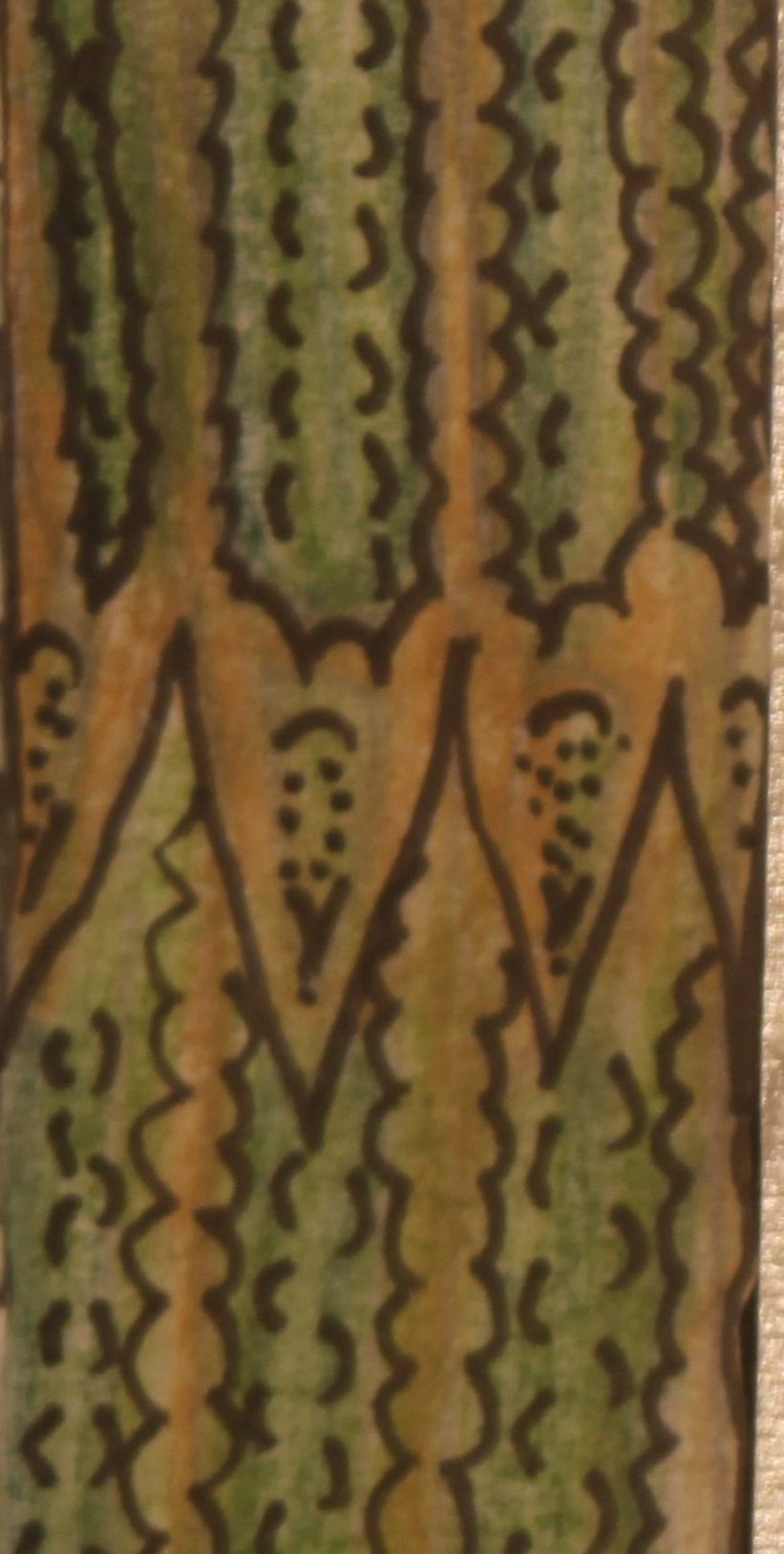
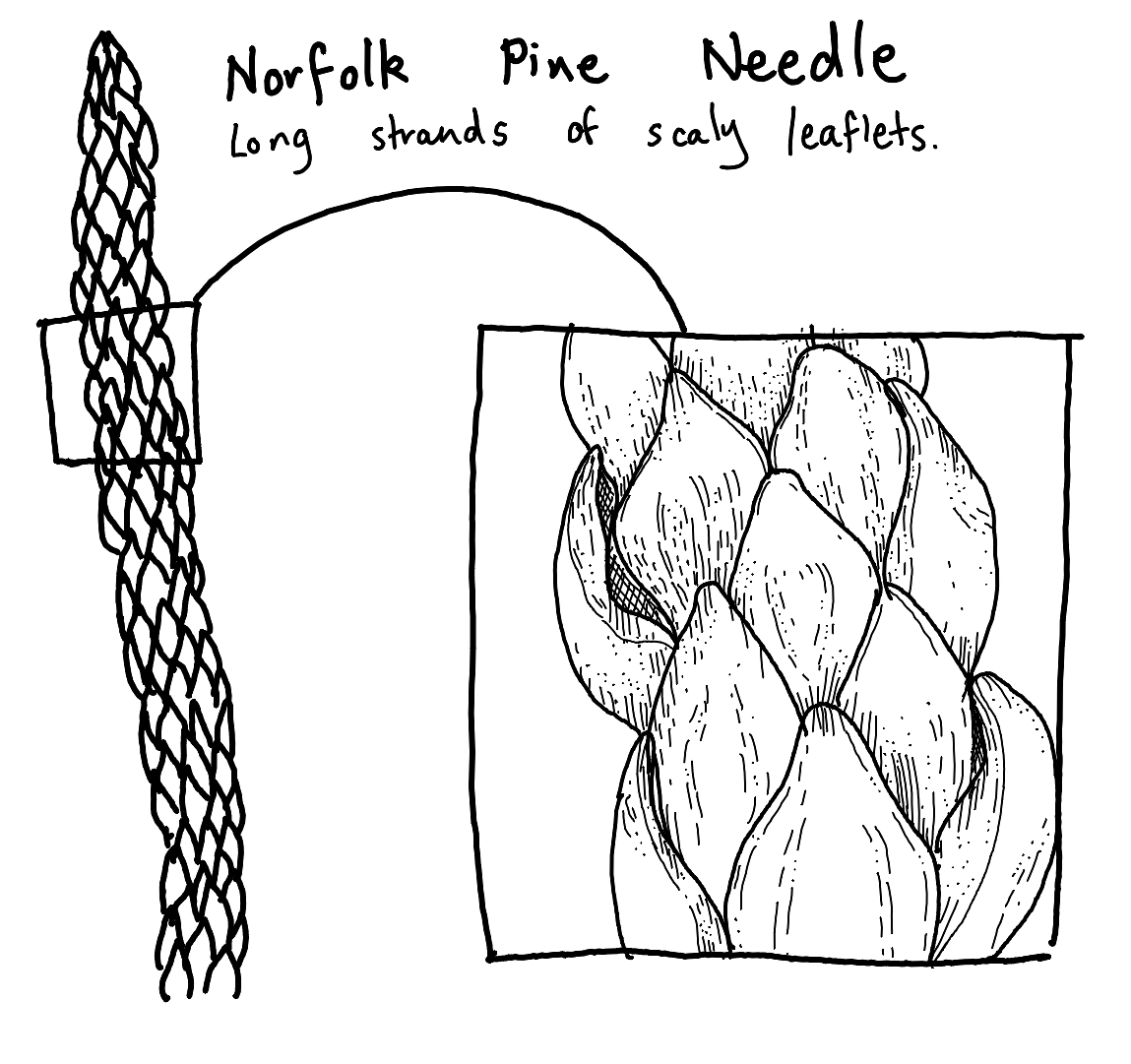
Sheoaks’ needles are in fact branchlets. They are parts of the plant’s stem, that have evolved to contain chloroplasts – the green cells that photosynthesise. Each branchlet is segmented, and looking under a microscope can reveal the veins flowing to the tiny leaves, spiking out from the end of each segment.
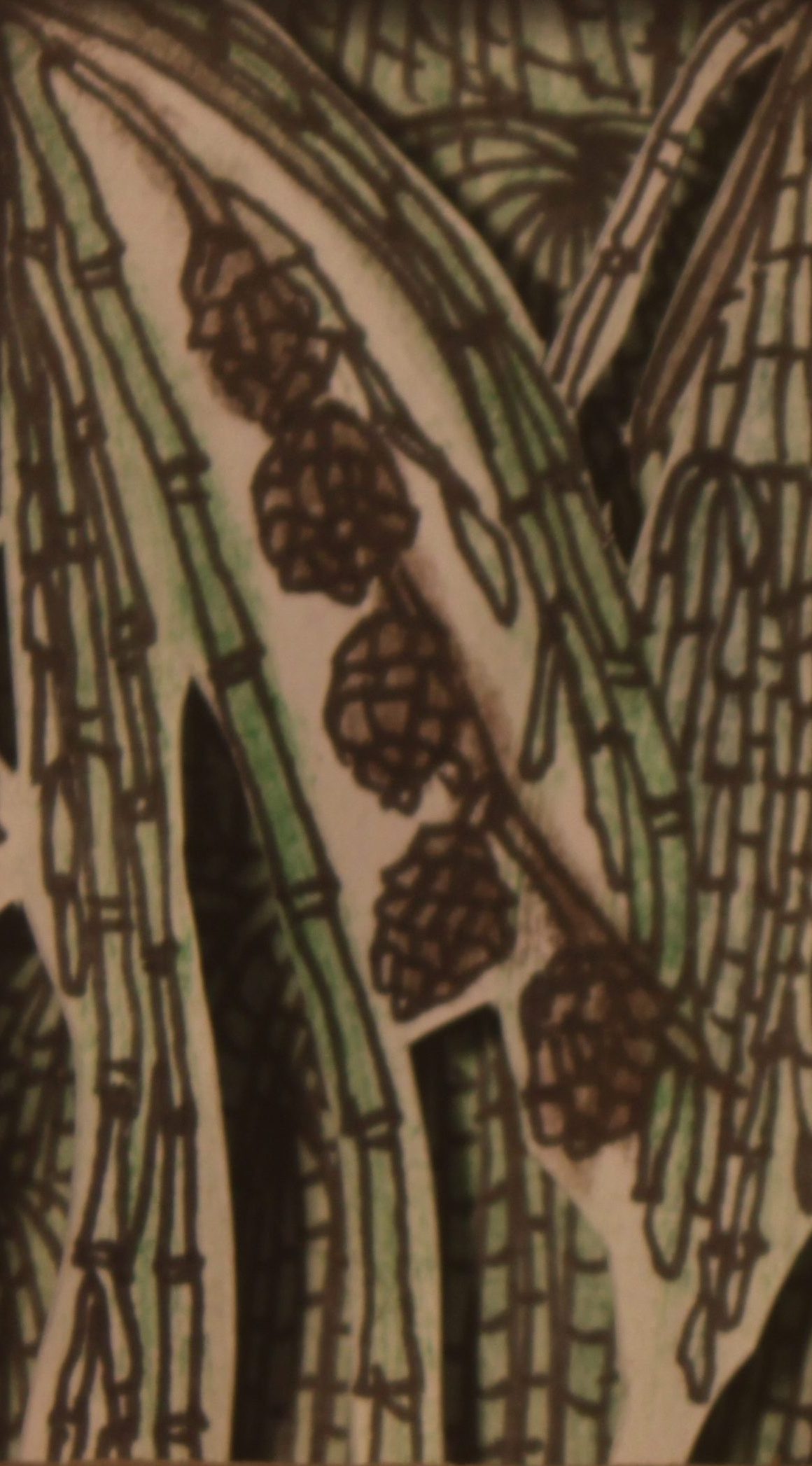
The cones are the female flower of the Casuarina. Much like true pinecones, they are pollinated and form seed pods. These seedpods had winged seeds, meaning that they are wind dispersed – also like many true pines.
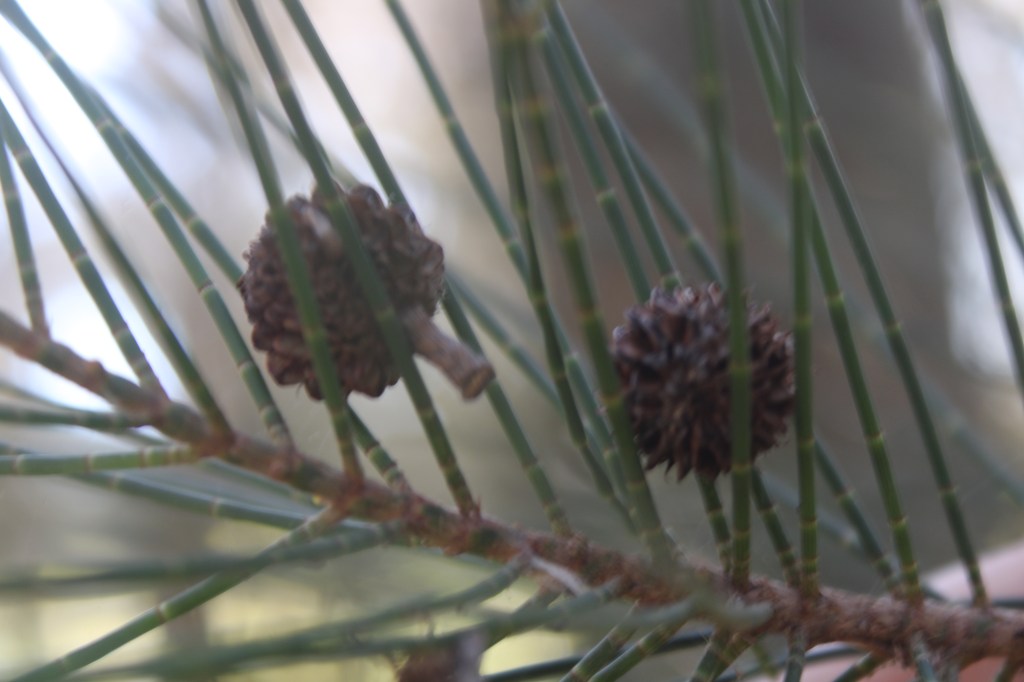
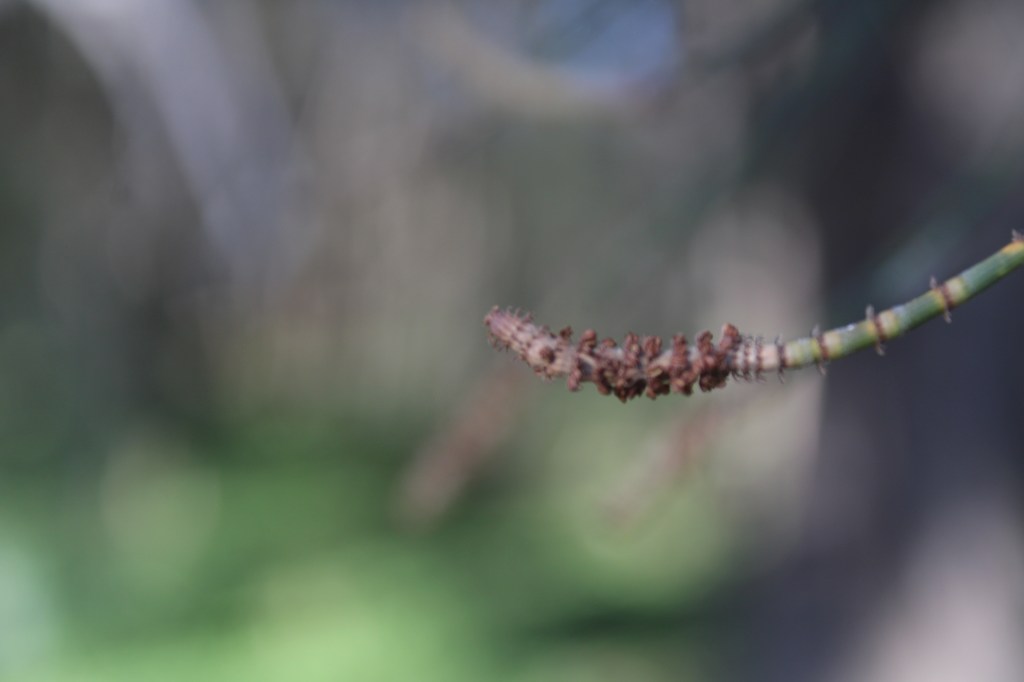
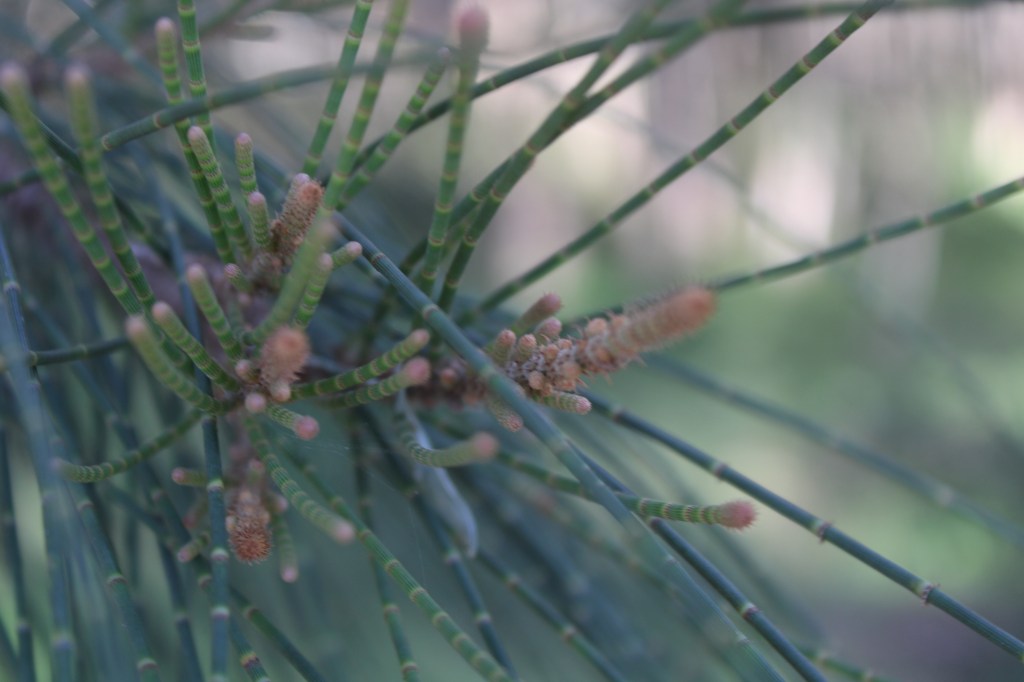
Casuarina and Norfolk Pines
So the question is: Why? Why did a group of trees evolve to flower, and then evolve to so closely resemble non-flowering plants? Much like many evolutionary questions, it’s not entirely clear why anyone does anything, but there are some advantages to these adaptations in this environment. The Norfolk Pine (though not a true pine) is still a conifer, and can grow in fairly similar environments. Although – as the name suggests – it is native to Norfolk Island.
Branchlets and small leaves are a way of conserving water. Leaves contain crucial cells like stomata – the cells that exchange gas between the plant and the air. Stomata always have a cost in every plant, because although there’s oxygen that gets out, and carbon dioxide that gets in, there’s also water that gets lost through the leaf. If you live in a salty, windy environment, it’s in your evolutionary interests have small, tough leaves that minimise that water loss.
Waterways and coasts are also famously windy. So wind pollination and seed dispersal seems reasonable. Animal pollination and dispersal often needs some level of shelter – especially because most animal pollinators fly. If you live on a cliff with storms rolling in, or on the banks of a river that forms a wind tunnel, relying on wind to spread your offspring also makes sense.
So the way that the Norfolk Pine and the Casuarinas have evolved, quite separately, to have similar characteristics, is understandable. It’s still remarkable to me how much Casuarinas resemble pines though. It really goes to show how adaptable these characteristics are, and how taking a closer look at a type of plant can give new perspectives on why plants are the way they are.

